
📍 8 October 2026 | Anambra State
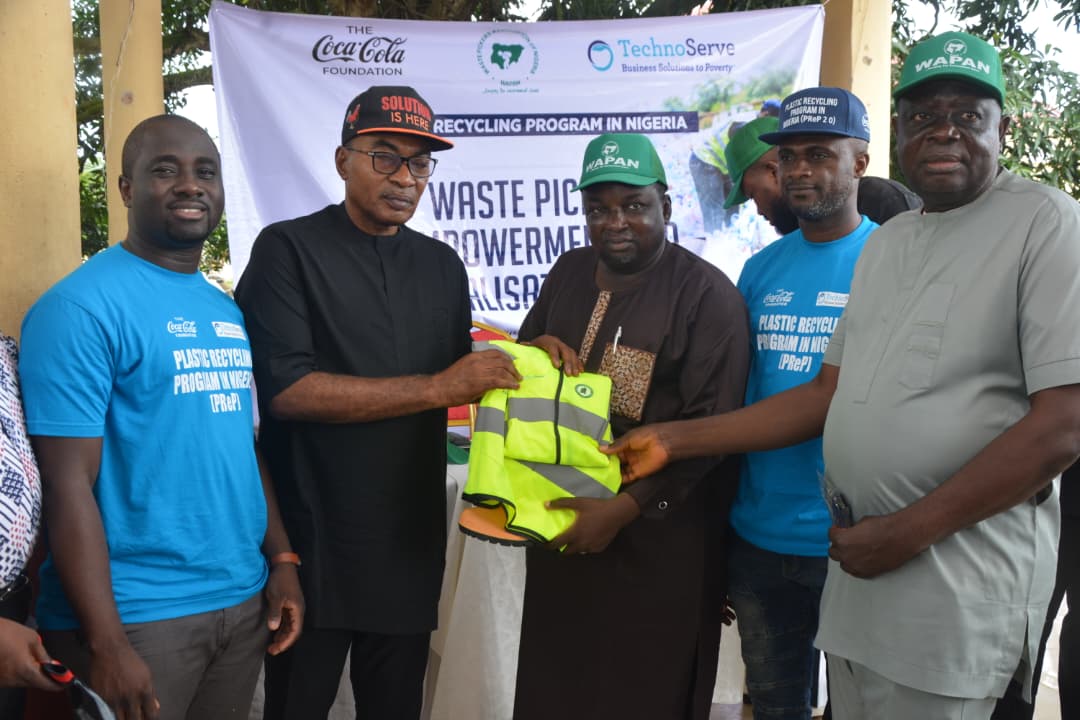
The Waste Pickers Association of Nigeria (WAPAN) is advancing waste worker inclusion and empowerment in Anambra State, with its National President, Comrade Salisu Ali Yarima, delivering the keynote address at the Waste Pickers Empowerment and Formalisation Forum.
Jointly convened by TechnoServe, The Coca-Cola Foundation, and WAPAN, the three-month initiative aims to formalise and empower 3,000 waste pickers, collectors, and aggregators across Anambra State, strengthening their livelihoods and integrating them into a more organised and inclusive circular economy.

Key areas of intervention include:
1. Provision of personal protective equipment (PPE) and essential supplies
2. Registration and development of organised waste collection networks
3. Occupational safety training and improved waste recovery skills
4. Enhanced financial inclusion and access to recycling markets
As part of the programme’s implementation, 10 agents have already been trained to support the enrolment process and facilitate the formalisation of participating waste workers.
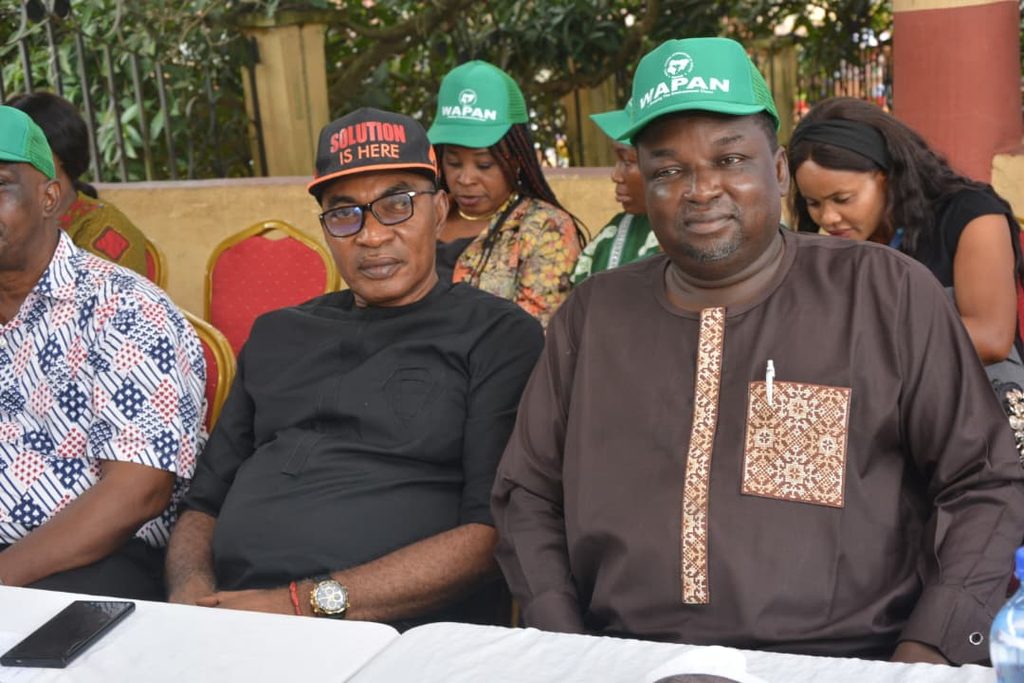
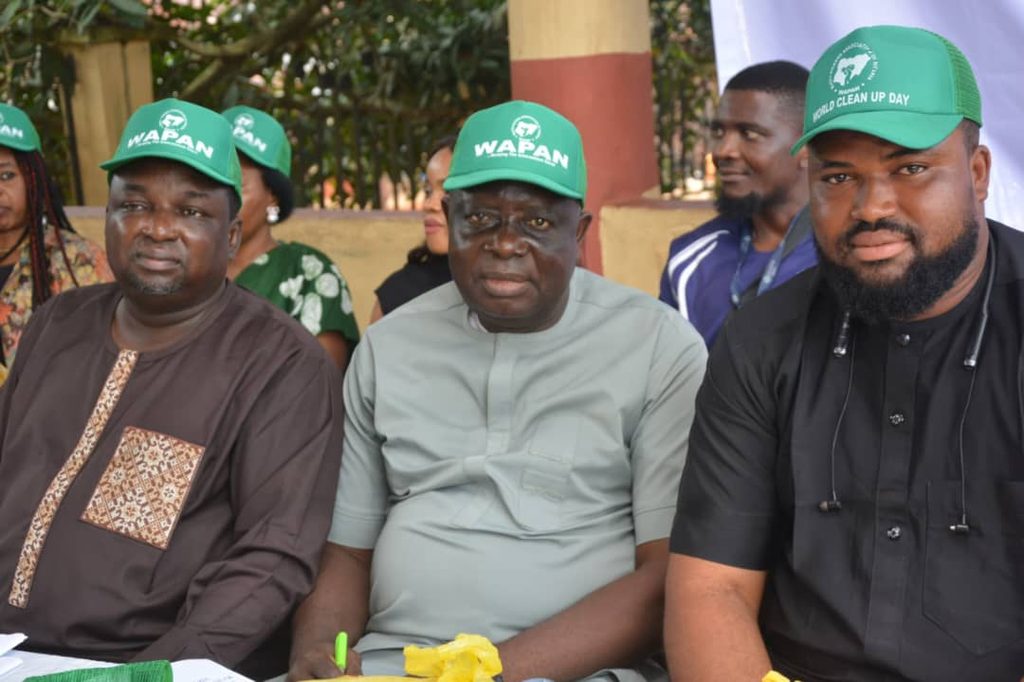
The forum welcomed distinguished government representatives and stakeholders, including the Commissioner for Environment, representing Governor Prof. Chukwuma Charles Soludo; Dr. Clems Aguiyi; Commissioner for Information, Dr. Law Mefor; and the Commissioner for Women Affairs, represented by the Managing Director.
WAPAN also acknowledges the invaluable support of the Anambra State Government and Ministry of Environment, Recyclers Association of Nigeria (RAN), ASWRA, ASPRA, Nigerian Red Cross, and African Cleanup Initiative in advancing this important initiative.
Special recognition goes to Daniel Oderinde, Project Manager; Nwaribe Franklin, Senior Business Advisor; Raymond Obi, ASWRA State Coordinator; and Mayor Moses Nwakpa for their leadership, coordination, and contributions to the successful organisation of the forum.
For WAPAN, formalisation goes beyond registration. It means ensuring that waste workers receive the recognition, protection, skills, and economic opportunities they deserve as essential contributors to environmental sustainability and resource recovery.
Empowering waste workers is building a stronger circular economy. Recognising their contributions today creates a more inclusive, sustainable, and prosperous Nigeria tomorrow.